
Dietary Approaches to Reduce CVD Risk
Thursday, February 26, 2026
7:00 PM - 8:00 PM EST
7:00 PM - 8:00 PM EST
Suboptimal diets are common and are a leading cause of cardiovascular disease in the US and globally. Improving our patients and frankly our own diets offers a great opportunity to improve both our patients' and our own health. Therefore, today we will discuss evidence-based dietary approaches to reduce cardiovascular disease risk.
Lecturer
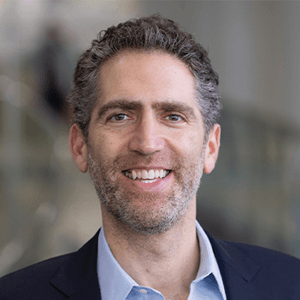
Robert J. Ostfeld, MD, MSc, is the Director of Preventive Cardiology, the founder and director of the Cardiac Wellness Program at Montefiore Health System and a Professor of Medicine at the Albert Einstein College of Medicine.
Dr. Ostfeld received his Bachelor of Arts in the Biologic Basis of Behavior from the University of Pennsylvania, graduating Summa Cum Laude and Phi Beta Kappa and his Doctor of Medicine from Yale University School of Medicine. He then did his Medical Internship and Residency at the Massachusetts General Hospital and his Cardiology Fellowship and Research Fellowship in Preventive Medicine at Brigham and Women’s Hospital, both teaching hospitals of Harvard Medical School. During his Cardiology Fellowship, he earned a Master’s of Science in Epidemiology from the Harvard School of Public Health.
Dr. Ostfeld earned the outstanding Full-Time Attending of the Year award at Montefiore for excellence in teaching medical residents, received the Program Director's Award for dedicated service on behalf of the Montefiore Einstein Cardiology Fellowship, and was elected to the Leo M. Davidoff Society at Einstein for outstanding achievement in the teaching of medical students.
Dr. Ostfeld’s research focuses on cardiovascular disease prevention through lifestyle modification and he has launched randomized controlled trials investigating the impact of dietary pattern on erectile function.
Moderator
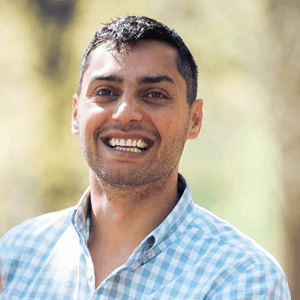 Dr. Ramzi Dudum MD, MPH, FASPC, is a cardiologist dedicated to caring for patients with cardiovascular disease and those at risk, with a strong focus on prevention. He works closely with patients to develop personalized care plans that align with their values while effectively addressing risk.
Dr. Dudum earned his medical degree from The George Washington University and completed his internal medicine residency at Johns Hopkins Hospital, where he also received a Master of Public Health. He then trained in cardiovascular medicine at Stanford Medicine, followed by the Stanford/Intermountain fellowship in population health, delivery science, and primary care.
His research leverages his expertise in population health to design systems and pathways that improve cardiovascular outcomes and longevity. He is particularly interested in advancing personalized risk prediction for heart disease and collaborates with experts in artificial intelligence (AI) and implementation science to develop best practices for integrating AI into healthcare and research.
Within the American Society for Preventive Cardiology (ASPC), Dr. Dudum serves as Co-Chair of the Fellows-in-Training and Early Career Interest Group. In this role, he helps lead the group’s mission: to foster support, mentorship, and camaraderie among trainees and early career physicians passionate about the prevention of cardiovascular disease.